Top 5 Most Common Mistakes New Audio Engineers Make And How To Fix Them!
- badauwer7
- Oct 17, 2024
- 4 min read

Updated: Oct 18, 2024
Are you an aspiring audio engineer looking to make it big in the music industry? Starting out as a beginner in the world of audio engineering can be both exciting and challenging. While you may have the passion and the drive, it's easy to fall into common traps that many newcomers encounter. Don't worry; we've got your back! Here are the top 5 most common mistakes that new audio engineers make, along with practical solutions to fix them.
1. Neglecting Room Acoustics
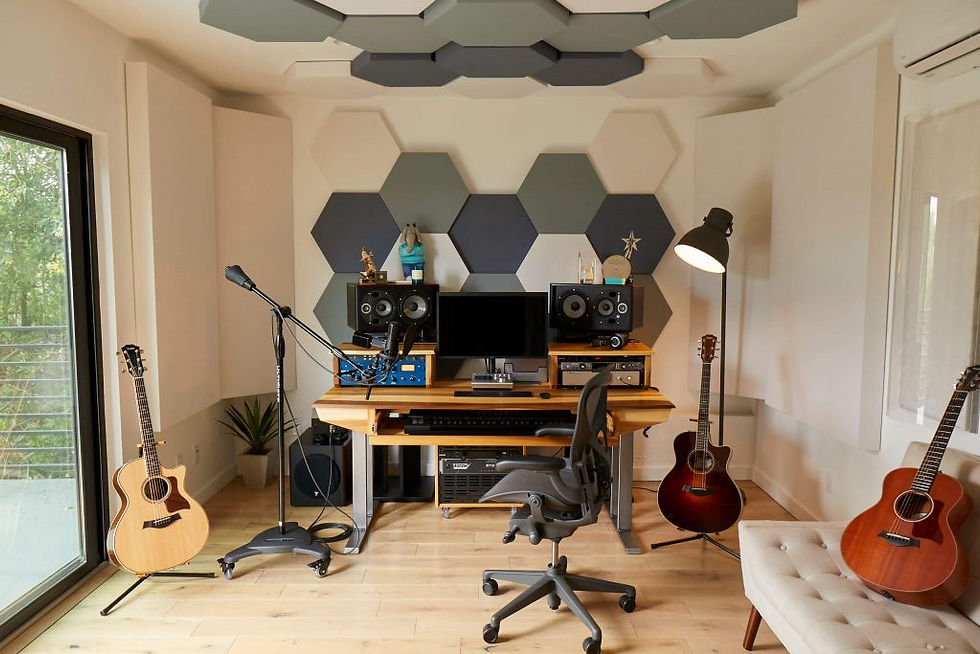
Mistake: Overlooking the importance of room acoustics can severely affect the quality of your recordings. Poor room acoustics can lead to unwanted reverberations and sound reflections, resulting in muddy mixes.
Fix: When looking to enhance the sound quality of your recording space, investing in acoustic treatment is crucial. Acoustic treatment includes various tools such as bass traps, diffusers, and absorbers, all of which play a significant role in optimizing the acoustics of the room. Bass traps help in managing low-frequency sound waves, diffusers scatter sound reflections to create a more natural and balanced audio environment, while absorbers reduce echoes and reverberations.
Moreover, it's essential to carefully consider the layout of your recording space. The placement of furniture, equipment, and even wall coverings can impact the acoustics of the room. By strategically positioning these elements, you can minimize sound reflections and standing waves, ultimately improving the overall sound quality of your recordings.
Tip! If you're low on cash and can't buy the tools you need, or if you're in a rush and looking for a quick solution, take a look at this post for some handy DIY tricks that might help you out!
2. Ignoring Gain Staging
Mistake: Neglecting gain staging can result in noise, distortion, or signal clipping in your audio recordings. This frequent mistake can impede the overall quality of your mixes.
Fix: To improve your recordings, make sure to practice proper gain staging. This involves setting appropriate input levels on your recording equipment to maintain a consistent signal level throughout the recording chain. Aim for the industry standard volume level of -6 dB to prevent distortion and ensure clarity in your audio tracks.
3. Relying Too Heavily on Effects

Mistake: Beginners often make the mistake of using excessive effects to mask deficiencies in their recordings. While effects can enhance your audio, over-reliance on them can result in an artificial and unbalanced sound.
Fix: When recording audio, it is crucial to focus on capturing clean and well-balanced sound from the start. It is generally better to start your recording over, if necessary, until you achieve a good take, rather than relying heavily on effects to enhance a mediocre one. Effects should be used sparingly and purposefully to complement and elevate the natural qualities of the sound without overshadowing the original audio signal.
To improve your audio recordings without excessive effects, use these techniques:
1. Noise Reduction: Eliminate background noise without affecting audio quality.
2. Equalization (EQ): Balance frequencies for clarity.
3. Volume Leveling: Ensure consistent volume levels.
4. Panning: Adjust stereo panning for balance.
5. Compression: Even out audio dynamics subtly.
6. Editing: Remove unwanted sections or mistakes for better flow.
By using these techniques wisely, you can effectively enhance your audio quality.
4. Skipping Reference Tracks
Mistake: Neglecting the significance and value of using reference tracks may lead to subjective mixing decisions and a skewed perception of your own mixes. Achieving a professional level of sound quality can be challenging without reference points.
Fix: Importing a high-quality copy of your reference track directly into your DAW session can significantly improve your workflow efficiency. By having the reference track readily available, you are constantly reminded to check your mix against it, ensuring that you stay on track with your goals and make informed mixing decisions.
Steps to Utilize Reference Tracks Effectively:
Regularly listen to a variety of reference tracks in the genre you're working on.
Pay attention to the balance, dynamics, and spatial qualities of these tracks.
Use the reference tracks as a guide to inform your mixing decisions and enhance the overall quality of your mixes.
5. Lack of Critical Listening

Mistake: Not honing your critical listening skills can impede your ability to identify and address issues in your recordings. Without critical listening, you may overlook subtle nuances that affect the quality of your mixes.
Fix: Enhance your listening skills by consistently analyzing a variety of audio sources. Train yourself to recognize frequency ranges, dynamics, stereo imaging, and spatial characteristics in different audio tracks. This practice will help you refine your ability to discern sounds and enhance your mixing capabilities.
Tip! Check out this website to step up your critical listening skills and take your ear training to the next level!
By avoiding these common mistakes and implementing the recommended fixes, you'll be well on your way to becoming a proficient audio engineer. Remember, every mistake is an opportunity to learn and grow in your craft. Stay curious, stay dedicated, and keep experimenting with new techniques to refine your skills and achieve professional-quality audio productions.
Happy mixing!
Sources
Tori Kelly. (n.d.). Tori Kelly Studio—Haverstick Designs. Retrieved October 15, 2024, from https://www.haverstickdesigns.com/portfolio-item/tori-kelly-studio/
Video Images of the SoundGym website., ScreenRecording2024-10-15at2.12.17.PM.mov
SoundGym Website, https://www.soundgym.co/dashboard/gym
Brooke Dauwer. (2024, November 17). DIY Sound Proofing: How To Create a Professional Home Studio on a Budget. Brooke Ashton D. Music & Sound Design. https://badauwer2.wixsite.com/sound-designer/post/diy-sound-proofing-how-to-create-a-professional-home-studio-on-a-budget


Comments